Use of SGLT2 Inhibitors to Treat Primary Sclerosing Cholangitis
Novel use patent covering the application of SGLT2 inhibitor compounds for the treatment of primary sclerosing cholangitis.
About this asset
This intellectual property repositions a clinically validated mechanism of action — SGLT2 inhibition — toward a rare hepatobiliary indication. The asset offers strategic optionality for developers seeking to expand the therapeutic franchise of SGLT2 inhibitors beyond metabolic disease.
Key characteristics
Potential applications
Beyond glucose control.
Exploring the broader biological impact of SGLT2 inhibition across metabolic, renal, cardiovascular, and hepatobiliary systems.
The biology of SGLT2.
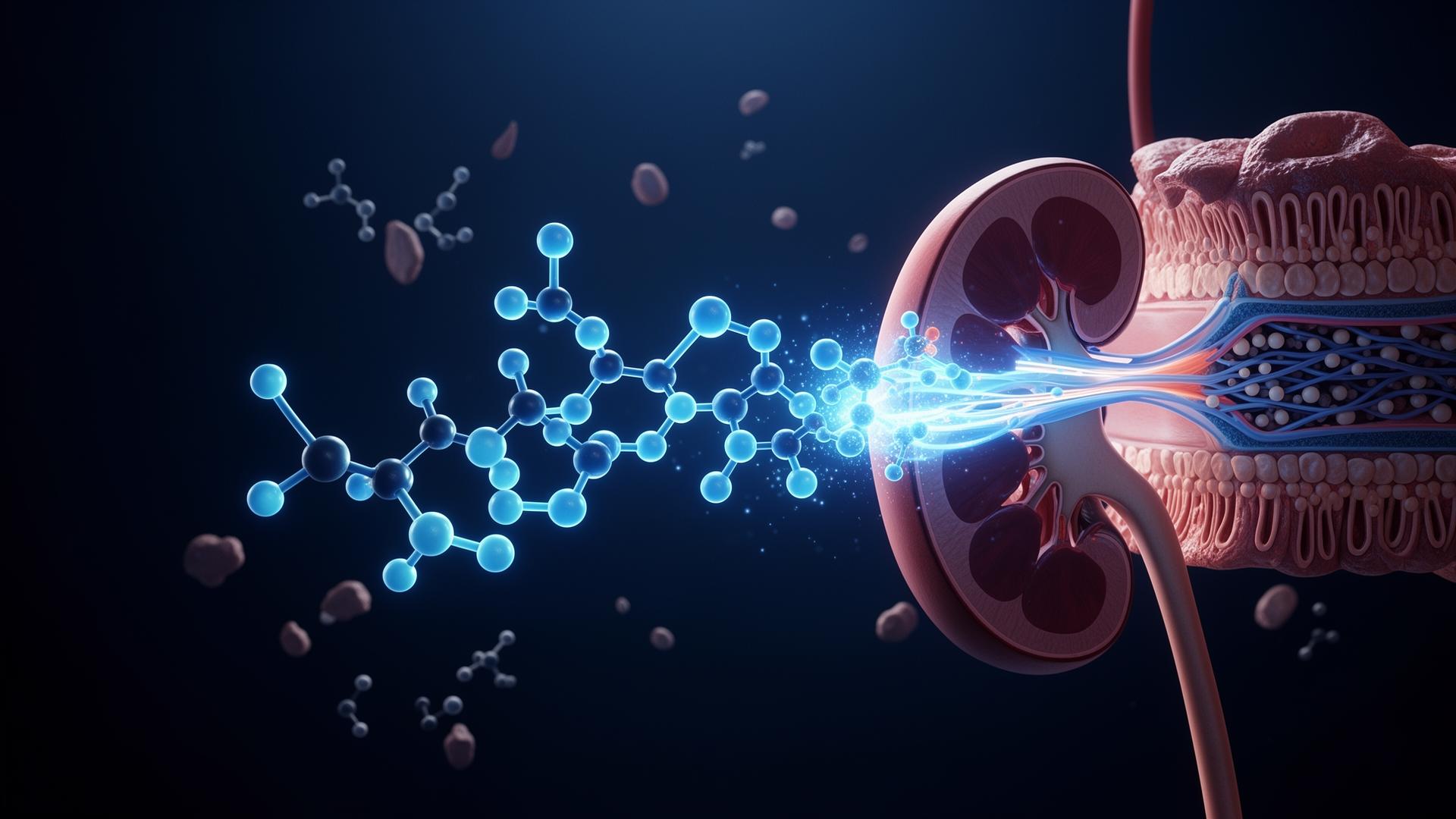
A schematic of the renal proximal tubule — where SGLT2 transporters reabsorb filtered glucose, and where pharmacological inhibition shifts that flow.
Inhibition at the proximal tubule produces effects that radiate well beyond glycemic control — touching metabolic, cardiorenal, and inflammatory biology.
Why explore SGLT2 inhibitors beyond diabetes?
SGLT2 inhibitors are best known for glucose lowering, but growing scientific interest has expanded research into broader metabolic, inflammatory, and organ-system biology.
- Step 1SGLT2 Inhibitor
A class of medicines that block sodium-glucose cotransport in the kidney.
- Step 2Glucose Regulation
First developed to lower blood glucose in type 2 diabetes.
- Step 3Metabolic Effects
Researchers observed shifts in energy use, weight, and cardiorenal markers.
- Step 4Systemic Biology
Effects extended into inflammation, fibrosis, and organ-protective pathways.
- Step 5Scientific Exploration
New hypotheses formed around uses well beyond glucose lowering.
- Step 6Therapeutic-Use Intellectual Property
Novel disease applications became the foundation for method-of-use patents.
Metabolic signaling networks.
A continuous web of biology — glucose handling, energy substrates, inflammatory tone, oxidative balance, and fibrotic remodeling — all entangled with SGLT2-related pathways.
Potential hepatobiliary relevance.
Two parallel biological narratives — disease progression and a validated mechanism — meeting at a therapeutic-use intellectual property position.
These pathways describe scientific rationale supporting the patent. They do not imply clinical efficacy, regulatory approval, or treatment claims.
From kidney biology to broader therapeutic exploration.
Why a patent might trace SGLT2 biology far beyond its original diabetes indication — into liver disease and rare hepatobiliary opportunity.
A Rare Disease With Outsized Long-Term Impact.
PSC's clinical trajectory, malignancy risk, and limited therapeutic options sustain high specialty-pharma and hepatology interest.
Two cholestatic diseases. Two distinct biologies.
Toggle below to compare disease mechanism or clinical progression across PSC and PBC.
- Chronic fibro-inflammatory injury of biliary epithelium
- Affects intra- and extrahepatic bile ducts
- Progressive multifocal strictures and segmental dilations
- Strong association with inflammatory bowel disease
- Elevated cholangiocarcinoma and transplant risk
- Autoimmune-mediated injury (AMA antibodies in most patients)
- Targets small intrahepatic bile ducts
- Chronic lymphocytic cholangitis with periductal inflammation
- Female predominance reported in published literature
- Slowly progressive cholestasis with pruritus and fatigue burden
From a validated metabolic mechanism toward hepatobiliary opportunity.
The SGLT2 class is among the most thoroughly characterized in modern metabolic medicine. This patent explores how that biology could be extended into a fibro-inflammatory bile duct disease as a development-stage concept.
Exploring SGLT2 Inhibition Beyond Diabetes.
SGLT2 inhibitors are best known for their role in diabetes and cardiometabolic disease.
This intellectual property explores the potential extension of SGLT2 inhibitor biology into PSC — a rare cholestatic liver disease with major unmet need — as therapeutic-use intellectual property.
Therapeutic-use intellectual property — exploratory, development-stage concept. No clinical efficacy or regulatory status is claimed.
- SGLT2 Inhibitor Class
- Metabolic Effects
- Cardiorenal Effects
- Potential Hepatobiliary Applications
From biology to partnership opportunity.
- 01Disease Biology
- 02Scientific Hypothesis
- 03Patent Filing
- 04Patent Publication
- 05Development Opportunity
- 06Strategic Partnership
Why PSC Represents Strategic Opportunity.
Rare Disease Economics
Specialty pricing dynamics and concentrated prescribing.
Unmet Medical Need
Limited approved disease-modifying therapies.
Specialty Pharma Interest
Active hepatology-focused commercial pipelines.
Potential Orphan Strategy
Possible alignment with orphan drug regulatory pathways.
Partner-Funded Development
Suited to licensee-driven development structures.
Licensing Opportunity
Method-of-use protection available for partnership.
Explore Development or Licensing Opportunities.
Islet Sciences is evaluating strategic partnerships, licensing discussions, and development opportunities for its therapeutic-use intellectual property portfolio.